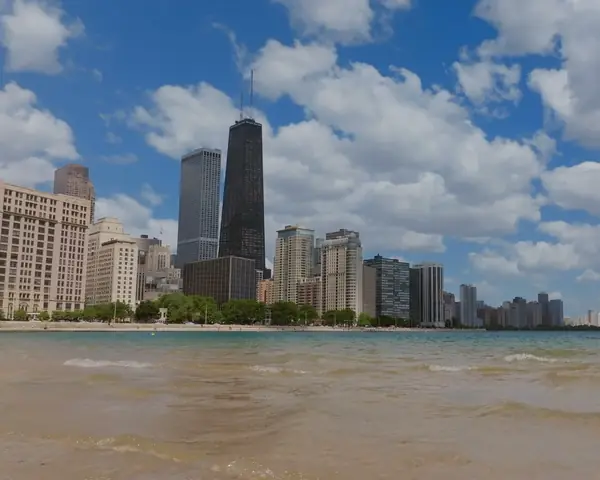
Your basement
A Chicago plumber for old pipes, cold snaps and flooded basements
Burst pipe, cold showers or a floor drain pushing water back up: tell us what is happening and where, and an independent plumbing contractor licensed by the City of Chicago can contact you.
- City-licensed plumbing contractors
- Bungalows, two-flats, condos
- Chicago, Evanston, Oak Park
What goes wrong
Plumbing jobs Chicago homes call about most
A city of old brick, deep basements and January nights below zero has its own plumbing calendar. Each of these jobs has its own page with the Chicago rules and checks that apply.
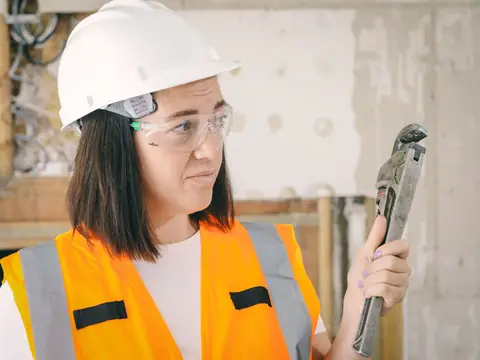
Emergency plumbing
A pipe let go, sewage in the floor drain or a gas smell near the heater: who to call first, where the shutoff usually is, and what not to touch.
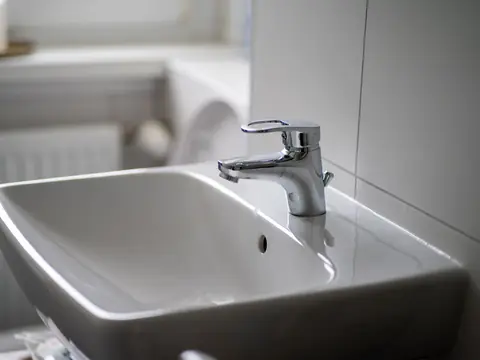
Water heater repair
Pilot out, rusty water or a puddle under the tank: repair or replace, venting into an old chimney, and the permit a new heater needs in the city.
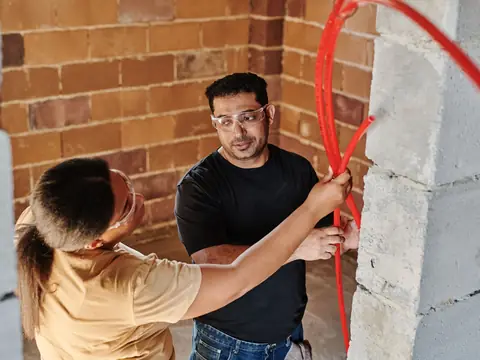
Sewer repair and backups
Who owns which pipe, when 311 is the right call, and how backwater valves and overhead sewers keep a basement dry in heavy rain.
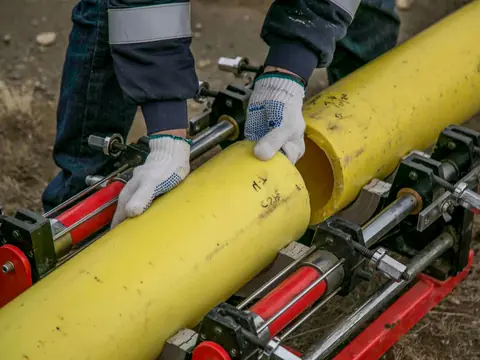
Lead service lines
How to check the pipe at your meter, the city’s free and fee-waiver programs, and what a private replacement involves.
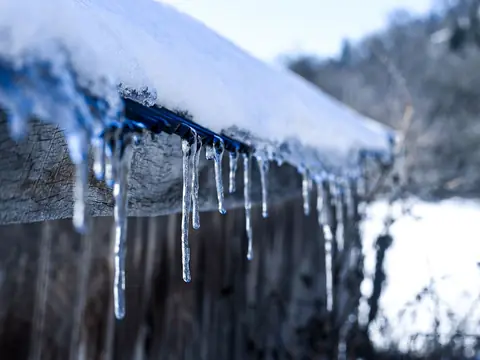
Frozen pipes
Which pipes freeze first in a bungalow or two-flat, how to thaw one safely, and what to do when it has already split.


Main floor
- City licenceChicago requires its own plumbing contractor licenceA State of Illinois licence alone is not enough.
- 1856The year Chicago approved the first full sewer system in the USThe center of the city was jacked up to fit it.
- 80,000+Bungalows, nearly a third of the city’s single-family homesMost were built between 1910 and 1940.
- You decideA local plumber contacts you and quotesThis site is not the plumber.
Right now
Water where it should not be: the first ten minutes

Close the main shutoff
In most Chicago houses and two-flats it sits where the water line comes through the front basement wall, next to the meter. Turn the handle clockwise until it stops.
Keep away from wet outlets and cords
Switch off the circuit at the panel only if you can reach it standing on a dry floor. Never wade toward a panel through water.
Smell gas? Leave first
Do not flip switches or light anything. Get everyone outside, then call Peoples Gas or 911 from the street.
Sewage coming up? Stop using water
No flushing, no laundry, no showers anywhere in the building. Every gallon you send down has to go somewhere.
Photograph it, then send the request
Pictures of the pipe, the floor and the meter help the plumber and any insurer. Then tell us what is happening and where.
Utility room
From your request to a plumber at the door
One form, one plumber who contacts you, and nothing goes ahead unless you say yes.
Send the request
Your name, phone, the problem and the neighborhood. It takes about a minute, and the more detail you give, the better the plumber can prepare.
A local plumber can contact you
Your details go to an independent plumbing contractor working in Chicago, who gets in touch with you directly to talk about the job.
Check the licence before anyone starts
Ask for the City of Chicago plumbing contractor licence and look it up. Work inside the city needs one, whatever state licence a plumber holds.
You decide on the work
The plumber gives the price directly. Agree to it, ask questions, get a second opinion or say no. Asking here commits you to nothing.
Your building
The licence
Finding a plumber in Chicago starts with the city’s own licence
Most of the country treats plumbing licences as a state matter. Chicago adds a layer of its own. To install, alter, repair or maintain plumbing inside the city, a business needs a City of Chicago plumbing contractor licence, and a State of Illinois licence on its own is not enough. The city also requires the business to file a $20,000 performance bond. The one exception is a minor repair an owner makes on their own property.
That rule matters more than any advert. A plumber can be skilled, friendly and close by and still not be allowed to pull a permit or work on your pipes inside the city limits. Before anyone opens a wall or cuts into a line, ask for the city licence and check it against the city’s list of licensed plumbing contractors. A plumber who works in the city every day will expect the question.
Best Plumber In Chicago is a service that connects people with independent local plumbing contractors. It is not a plumbing company: the plumber who contacts you gives any price and does any work, and you decide whether to hire them. When you send the form, your request goes to a contractor who works in Chicago, and the questions below are the ones worth asking whoever turns up.
If water is running right now, start with the page on emergency plumbers in Chicago. No hot water? The page on water heater repair in Chicago sorts a dead pilot from a tank that has reached the end. A floor drain bringing water up in a storm is a sewer repair question, and the city’s lead pipe programs are laid out on the page about lead service line replacement in Chicago. For the cold, read frozen pipe repair in Chicago before the next deep freeze.
Water where it should not be? Tell us what is happening and a city-licensed plumber can contact you.
Old houses, old pipes: what is behind a Chicago wall
Chicago’s housing is old, and so is its plumbing. More than 80,000 bungalows make up nearly a third of the city’s single-family homes, and most of them were built between 1910 and 1940. Add the two-flats, greystones, worker cottages and courtyard buildings of the same era and you have a city where a lot of water still runs through pipes put in generations ago, patched and extended by every owner since.
That history shows up in three ways a plumber will look for.
- The service line. The City of Chicago says that a house or two-flat built before 1986 is likely to have a lead service line unless it was replaced during a renovation or addition. It is the pipe that brings water from the main in the street to your meter.
- Mixed metals. Decades of repairs leave copper spliced to older steel or brass, and a joint between them is a common place for a slow drip to start.
- Basements below the street. When the city raised its grade in the 1850s to build its sewers, it set a pattern of low basements and drains that still has to push water up and out.
None of this means your plumbing is failing. It means a plumber who knows Chicago buildings asks different first questions: how old the house is, where the meter sits, whether the basement has ever taken water, and whether anyone has replaced the line from the street.
Before the plumber arrives
Find the main shutoff and the water meter, usually where the line enters the front basement wall. Clear a path to them and to the water heater. Ten minutes of tidying saves paid time on the visit.
Why Chicago basements take water when it pours
Chicago approved the first comprehensive sewerage system in the United States in 1856, and the center of the city was lifted on jackscrews to a new grade to build it. Later the city reversed the flow of the Chicago River so sewage would run away from Lake Michigan, where its drinking water comes from. Those were huge feats, and they left the city with a sewer network that carries a lot in a hard rain.
When the sewer in the street is full, water looks for the lowest opening it can find, and in many Chicago homes that is the basement floor drain. That is why a backup can happen with nothing wrong inside your house. The fixes are on your side of the property line: a backwater valve that closes when the flow reverses, a standpipe in the floor drain, or an overhead sewer that lifts the basement’s waste up to the level of the street sewer. The sewer repair page compares them, and it explains when a problem belongs to the city and calls for 311 instead of a plumber.
Cold is the other Chicago plumbing problem
January at O’Hare averages 23.6 degrees across day and night, and the temperature falls to zero or below on about eight nights a year there, a few less at Midway and more in the outer suburbs. In the polar vortex of January 2019 it reached 23 below on January 30. Lake Michigan softens the cold along the lakefront, so the inland neighborhoods and suburbs usually see the deepest freezes.
Pipes freeze where they run close to the cold: outside walls, crawl spaces, enclosed back porches, garages and the hose bib on the side of the house. A frozen pipe is a warning. A split one floods when it thaws, often hours later. The frozen pipe page has a room-by-room checklist and a safe way to thaw a line.
Questions to ask any plumber who calls you back
Every plumber works differently, but a few questions sort out most of the uncertainty before work starts. They are the same whether the job is a dripping trap or a new sewer line.
- Your City of Chicago plumbing contractor licence? Inside the city, the state licence alone does not cover it.
- Does this job need a permit, and who pulls it? Replacing a water heater, a sewer or a service line usually does. In Evanston, Oak Park, Skokie or Cicero, it is that town’s permit, not the city’s.
- What is the price, in writing, before you start? Ask what is included and what would change it once a wall or floor is open.
- What happens if you find lead or a cracked sewer? Ask now, so the answer is not a surprise halfway through.
- Is there a charge for the visit itself? Some plumbers charge to come out and diagnose. Knowing that up front avoids an argument later.
Writing down the answers takes a minute. It also gives you something to compare if you decide to get a second price.
Ask the plumber
- The City of Chicago plumbing contractor licence
- Whether the job needs a permit, and who pulls it
- The price in writing before work starts
- What changes the price once a wall is open
Questions
Questions Chicago owners ask about plumbers
Short answers. Each job has more on its own page.
Is Best Plumber In Chicago a plumbing company?
No. Best Plumber In Chicago is a service that connects people with independent local plumbing contractors. It is not a plumbing company: the plumber who contacts you gives any price and does any work, and you decide whether to hire them.
Does a plumber need a City of Chicago licence?
Yes, to install, alter, repair or maintain plumbing inside the city. A State of Illinois licence alone is not enough, and the business files a $20,000 bond with the city. Owners making minor repairs on their own property are the exception.
How do I check a plumber’s licence?
Ask for the City of Chicago plumbing contractor licence and look the business up on the city’s list of licensed plumbing contractors before work starts.
Who do I call when sewage comes up the basement drain?
Stop using water in the building first. If the problem is the city sewer in the street, report it to 311. If it is your own drain or sewer line, you need a licensed plumber. The sewer repair page explains how to tell.
How do I know if my water line is lead?
Find the pipe coming into your meter from the street. A magnet will not stick to lead, and scratching it gently with a key shows a soft, shiny silver mark. The lead service line page walks through it.
What should I do first if a pipe bursts?
Close the main shutoff near the water meter, keep away from wet outlets, and move what you can off the floor. Then send the request. The emergency page has a table for each kind of emergency.
Do you cover the suburbs?
Requests come from Evanston, Oak Park, Skokie and Cicero as well as the city. Those towns have their own building departments, so permits there are not the city’s.
Is it free to send the form?
Yes. Sending the form costs nothing and you never have to hire anyone. The plumber gives any price directly.
Ground floor
Water where it should not be? Tell us where.
Name, phone and neighborhood are enough to start. An independent Chicago plumbing contractor can contact you.
Best Plumber In ChicagoChicago and near suburbs